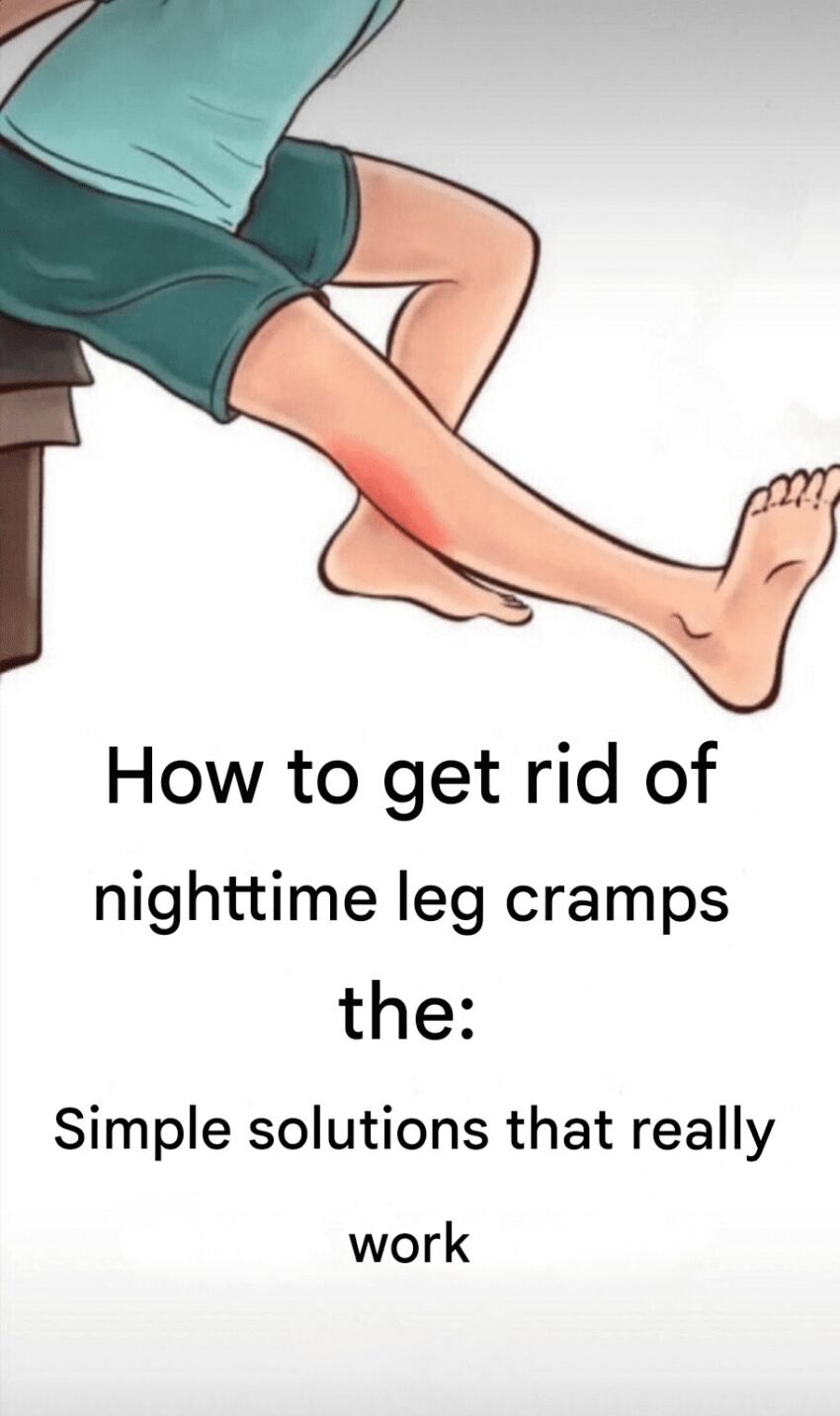
Nighttime leg cramps—especially in calves—can be painful and disruptive to sleep. Here are simple, effective solutions that many people find helpful:
1. Stretch before bed
- Gently stretch your calves, hamstrings, and feet for 30–60 seconds.
- Example: Stand facing a wall, one leg back, heel on the floor, lean forward slightly to stretch the calf.
2. Stay hydrated
- Dehydration can contribute to cramps. Drink enough water throughout the day, and limit excessive caffeine or alcohol.
3. Balance electrolytes
- Low levels of potassium, magnesium, or calcium can trigger cramps. Include foods like:
- Bananas, oranges, and sweet potatoes (potassium)
- Nuts, seeds, and spinach (magnesium)
- Dairy or fortified plant milks (calcium)
4. Use heat or massage
- Apply a warm compress or take a warm shower before bed to relax muscles.
- Massage your calves gently if a cramp occurs during the night.
5. Adjust sleeping position
- Avoid pointing your toes downward while sleeping. Try gently flexing your foot upward or placing a pillow under your knees for support.
6. Footwear and activity
- Wearing supportive shoes during the day and avoiding sudden increases in exercise intensity can prevent muscle strain.
7. Magnesium supplementation (if needed)
- Some people benefit from magnesium supplements, especially if dietary intake is low. Consult a healthcare provider before starting.
8. Quick cramp relief
- If a cramp strikes at night:
- Stand up and put weight on your cramped leg.
- Stretch the calf by straightening the leg and flexing your foot toward your body.
- Massage the muscle gently.
💡 Tip: Consistency matters—regular stretching and proper hydration are often more effective than any single “trick.”
If you want, I can make a step-by-step bedtime routine specifically designed to prevent leg cramps, taking just 5 minutes before sleep. It’s surprisingly effective.
Do you want me to create that routine?
