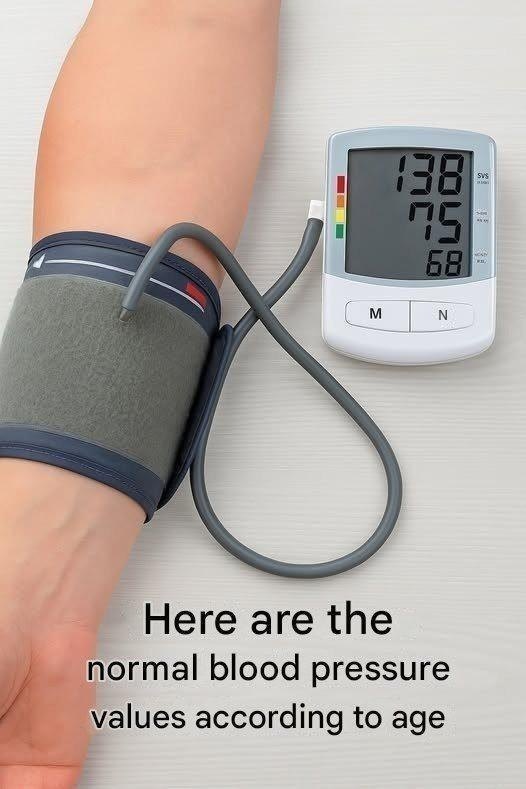
The idea that there are strict “normal blood pressure values by age” is a bit outdated. Today, doctors mostly use one general standard for adults, with only slight considerations for age and overall health.
🩺 Standard blood pressure categories (adults)
According to modern guidelines:
- Normal: less than 120 / 80 mmHg
- Elevated: 120–129 / less than 80
- High (Hypertension Stage 1): 130–139 / 80–89
- High (Hypertension Stage 2): 140+ / 90+
Persistently high readings may indicate Hypertension.
👶👦 Children & teenagers
For kids, it’s different:
- Blood pressure depends on age, height, and sex
- Doctors use percentile charts rather than fixed numbers
So there’s no simple universal “normal” number like adults.
👨🦳 Does blood pressure change with age?
Yes—but that doesn’t mean higher is “normal.”
- As people age, arteries stiffen, so readings may rise
- However, doctors still aim for around 120/80 mmHg if possible
- Slightly higher targets may be acceptable in older adults depending on health
🎯 Practical targets by age (general guidance)
- 18–60 years: ideally under 130/80
- 60+ years: often under 130–140 / 80–90 (doctor-dependent)
⚠️ Important to know
- High blood pressure usually has no symptoms
- It increases risk of:
- Heart disease
- Stroke
- Kidney problems
✅ Bottom line
There isn’t a strict “normal BP chart for every age.”
A healthy reading for most adults is still close to 120/80 mmHg, regardless of age—with adjustments based on individual health.
If you want, tell me your age and recent reading—I can help you interpret whether it’s in a healthy range.
