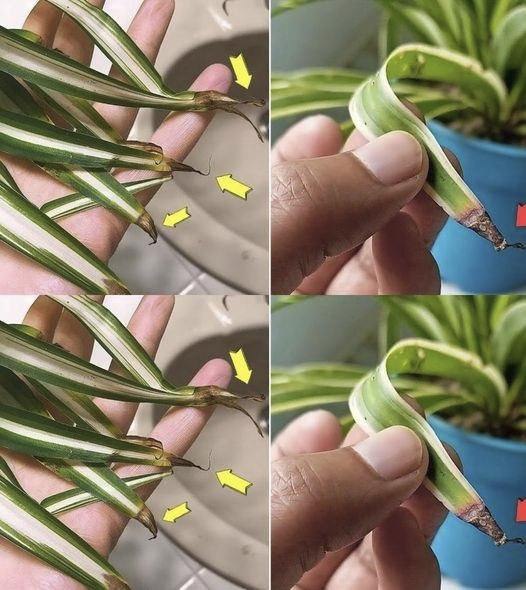
When the tips of herbaceous plants turn brown, it’s usually a sign of stress. Several common factors can cause this, often related to water, nutrients, or environmental conditions. Here’s a detailed breakdown:
💧 1. Water Stress
- Underwatering: Leaf tips dry out first because the plant prioritizes water for vital tissues.
- Overwatering: Roots may suffocate, causing tips to brown due to poor water uptake.
- Tip: Keep soil evenly moist and well-draining.
🧂 2. Salt or Fertilizer Build-Up
- Excess fertilizer salts in soil can burn leaf tips.
- Symptoms: Browning at tips first, sometimes accompanied by yellowing along edges.
- Tip: Flush soil with water occasionally and follow recommended fertilizer amounts.
🌡️ 3. Low Humidity or Dry Air
- Herbaceous plants like tropical or indoor plants suffer in dry indoor air.
- Tip browning often appears on upper leaves first.
- Tip: Mist plants or use a humidity tray.
☀️ 4. Sun or Heat Damage
- Direct, intense sunlight can scorch tender tips.
- High heat and wind can worsen dehydration at the leaf edges.
- Tip: Provide filtered light for sensitive species.
🦠 5. Disease or Pests
- Fungal infections or sap-sucking pests can cause localized browning.
- Look for spots, lesions, or sticky residue.
- Tip: Inspect plants regularly and treat promptly.
🧠 6. Natural Aging
- Older leaves naturally develop brown tips as they die off.
- This is normal if new growth is healthy.
✅ How to Help
- Trim brown tips with sterilized scissors to prevent disease.
- Adjust watering schedule—avoid extremes.
- Check fertilizer type and concentration.
- Maintain adequate humidity and indirect light.
- Monitor for pests or fungal issues.
If you want, I can make a quick diagnostic chart for herbaceous plants showing brown tips causes, symptoms, and solutions for easy reference. It’s like a cheat sheet for plant care.
Do you want me to make that?
