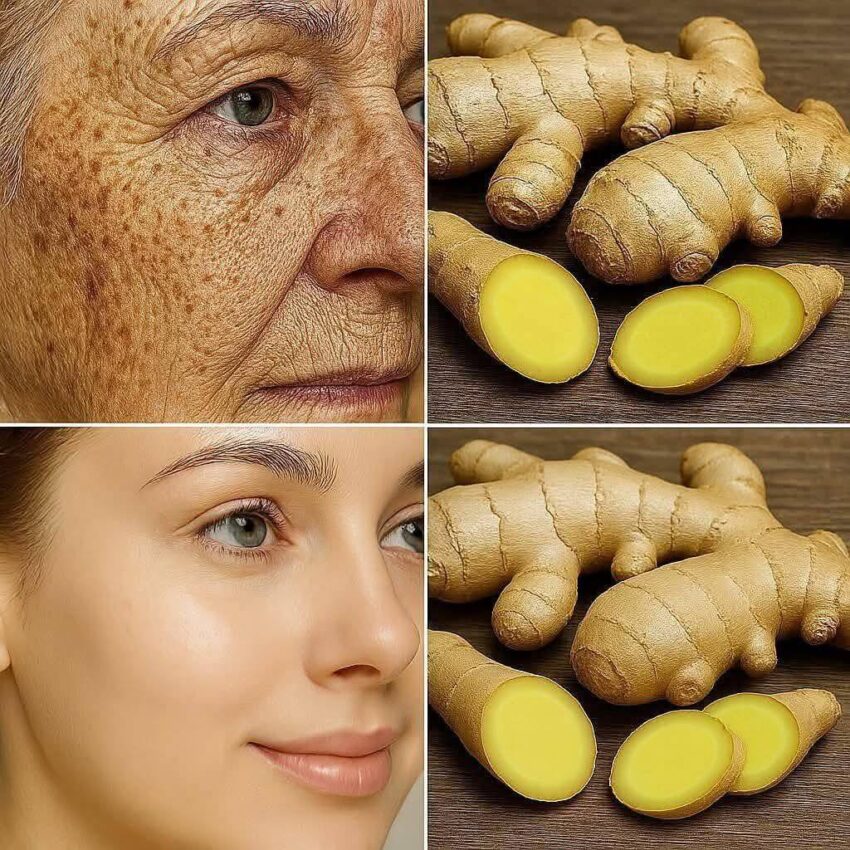
Ginger is often promoted as a “glowing skin secret,” but the reality is a bit more balanced: it’s a helpful natural ingredient, not a miracle cure.
The root in question is Ginger, which contains compounds like gingerol that have antioxidant and anti-inflammatory properties. These can support skin health indirectly.
🌿 How ginger may benefit the skin
✨ 1. Helps fight inflammation
Inflammation can contribute to:
- acne redness
- dull skin
- irritation
Ginger’s natural compounds may help calm mild inflammation when used in skincare or diet.
🧴 2. Supports clearer-looking skin
Because of its antibacterial properties, ginger is sometimes used in:
- face masks
- herbal toners
It may help reduce bacteria that contribute to breakouts (but it’s not a standalone acne treatment).
💫 3. Improves circulation (indirect effect)
Ginger can slightly stimulate blood flow when consumed, which may contribute to a healthier-looking complexion over time.
🛡️ 4. Antioxidant protection
Free radicals from pollution and UV exposure contribute to aging. Ginger’s antioxidants help reduce oxidative stress in the body.
⚠️ Important reality check
Ginger does not:
- “detox” skin
- erase wrinkles
- cure acne on its own
- replace sunscreen or skincare routines
🧖 Simple ginger face mask (optional use)
Ingredients:
- 1 tsp ginger juice (or very finely grated ginger juice)
- 1 tbsp honey
- 1 tbsp yogurt
How to use:
- Mix and apply for 5–10 minutes
- Rinse with lukewarm water
- Use 1–2 times per week only
⚠️ Always do a patch test—ginger can irritate sensitive skin.
🧭 Bottom line
Ginger can support healthier-looking skin through its anti-inflammatory and antioxidant effects, but real “glowing skin” comes from:
- good hydration
- balanced diet
- sun protection
- proper skincare routine
If you want, I can give you a natural skincare routine using kitchen ingredients or a diet plan for clearer skin from within.
