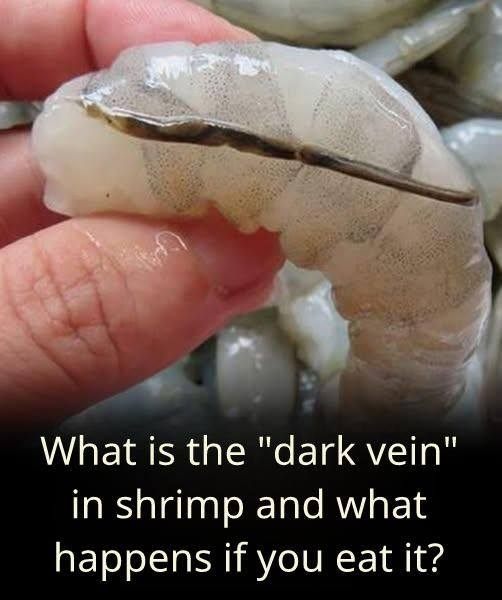
That “vein” isn’t a vein at all—it’s the shrimp’s digestive tract. Once you know that, the question becomes less mysterious and more about taste and texture.
What it actually is
The dark line running along the back of shrimp is the intestine. It can contain sand or grit, especially in wild shrimp, which is why some people prefer to remove it.
Do you have to remove it?
Not always.
- Small shrimp: usually fine to leave it in
- Large shrimp: better to remove (it’s more noticeable)
- Very dark or thick line: definitely remove—it can taste gritty
👉 It’s not dangerous to eat, just sometimes unpleasant.
Why chefs often devein shrimp
- Improves texture (no grit)
- Looks cleaner for presentation
- Avoids any bitter or muddy taste
How to devein shrimp (quick method)
- Peel the shrimp (optional—you can cook with shell on too)
- Make a shallow cut along the back
- Lift out the dark line with the tip of a knife or a toothpick
- Rinse lightly
A little nuance
In many traditional dishes, especially where shrimp are small or cooked whole, people don’t bother deveining at all. It’s more about preference than safety.
Bottom line
- It’s the digestive tract, not a vein
- Safe to eat
- Removing it improves flavor and texture—especially for bigger shrimp
If you want, I can show you the fastest way to clean a whole batch in under 5 minutes or suggest recipes where deveining doesn’t matter at all.
