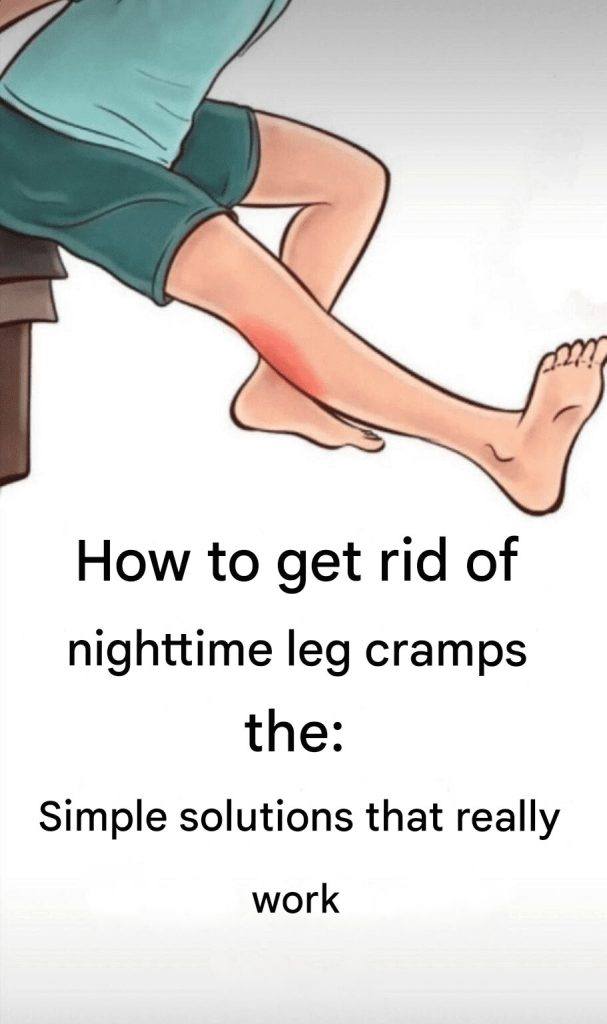
Nighttime leg cramps (often called “charley horses”) can be frustrating, but most cases respond well to a few simple habits. Here’s what actually helps—both in the moment and long-term.
🦵 What to do when a cramp hits
- Stretch immediately
Straighten your leg and gently pull your toes toward your shin. This targets the calf and often stops the spasm quickly. - Massage the muscle
Firm rubbing can help it relax. - Apply heat or cold
A warm towel or heating pad relaxes tight muscles; some people prefer an ice pack afterward to reduce soreness. - Walk it off
Standing and putting weight on the leg can reset the muscle.
🌙 How to prevent cramps at night
1. Stay hydrated
Dehydration is a common trigger. Aim for steady water intake throughout the day—especially in hot weather or if you’re active.
2. Stretch before bed (this works surprisingly well)
Focus on calves and hamstrings:
- Wall calf stretch (30 seconds each side)
- Gentle hamstring stretch
Consistency matters more than intensity here.
3. Check your mineral intake
Low levels of certain electrolytes can contribute:
- Magnesium (nuts, seeds, leafy greens)
- Potassium (bananas, potatoes)
- Calcium (dairy, fortified foods)
Some people benefit from supplements, but it’s best to check with a doctor first—especially if you have other health conditions.
4. Adjust your sleeping position
- Avoid pointing your toes downward for long periods
- Try loosening tight blankets
- Sleeping on your back with a pillow under your knees can help
5. Wear proper footwear during the day
Poor support can strain leg muscles and lead to cramps later at night.
6. Stay active—but don’t overdo it
Both inactivity and overexertion can trigger cramps. Regular, moderate movement is ideal.
⚠️ When cramps might signal something else
Occasional cramps are common, but frequent or severe ones could be linked to:
- Poor circulation
- Nerve compression
- Medication side effects (e.g., diuretics)
- Conditions like Peripheral artery disease
🚨 See a doctor if:
- Cramps happen almost every night
- Pain is severe or doesn’t go away
- There’s swelling, redness, or weakness
- They started after a new medication
🧠 Bottom line
The most effective combo tends to be:
hydration + nightly stretching + balanced minerals
If you want, tell me your age, activity level, and diet—I can suggest a more personalized plan that fits your routine.
