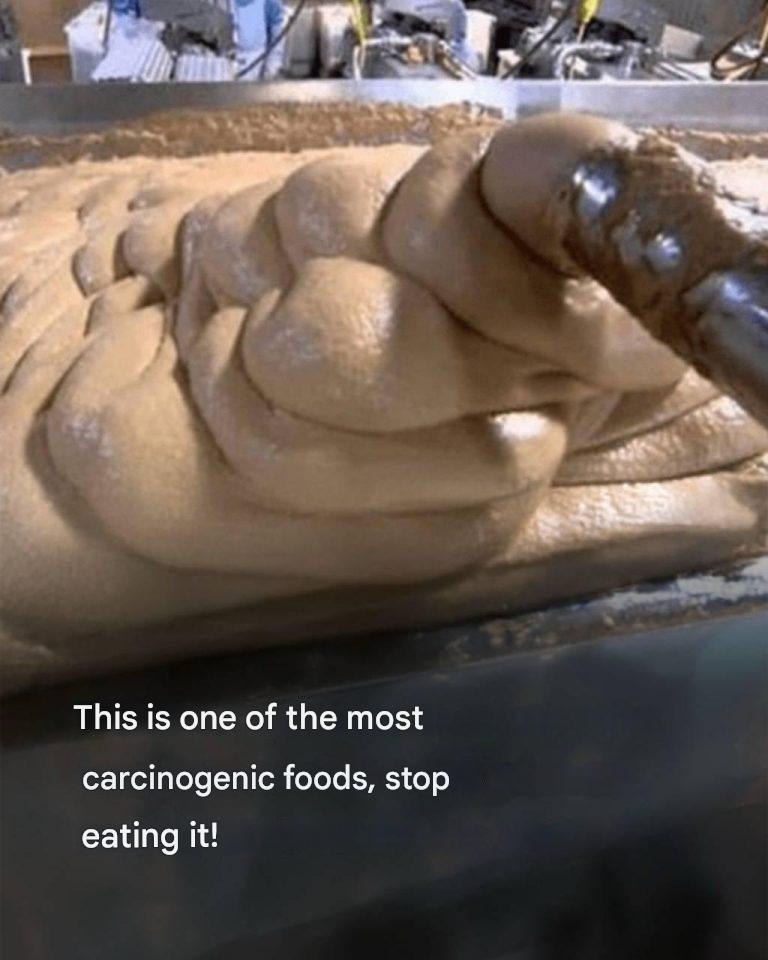
Headlines like that are designed to grab attention 😅 — but calling a common food “real poison” is almost always an exaggeration.
In nutrition, dose and context matter. Very few everyday foods are literal poison. What usually happens is:
- A food is fine in moderation
- It becomes harmful when overconsumed
- Or it’s problematic for specific people
Here are some foods often labeled “poison” — and the real story:
🥓 Processed Meats (bacon, sausages, deli meats)
- Linked to higher risk of certain cancers when eaten frequently.
- Not poison — but best limited to occasional use.
🥤 Sugary Drinks
- Contribute to obesity, insulin resistance, and fatty liver when consumed regularly.
- Harm comes from quantity and frequency.
🍟 Deep-Fried Fast Foods
- High in trans fats, refined oils, and calories.
- Regular intake increases heart disease risk.
🍞 Ultra-Processed Snacks
- Often high in additives, sodium, sugar, and low-quality oils.
- Problem is chronic overconsumption.
🧂 Excess Salt
- Can raise blood pressure in sensitive individuals.
- Small amounts are necessary; excess is the issue.
⚠️ What Actually Qualifies as “Poison”?
True food poisons are things like:
- Spoiled food with bacterial toxins
- Toxic mushrooms
- Heavy metal contamination
Your weekly grocery items are rarely in that category.
The Real Rule
Instead of asking “Is this food poison?” ask:
- How often am I eating it?
- Is it crowding out whole foods?
- Does my body respond poorly to it?
If you tell me which specific food you’re referring to, I can give you a clear, evidence-based answer — no fear tactics, just facts.
