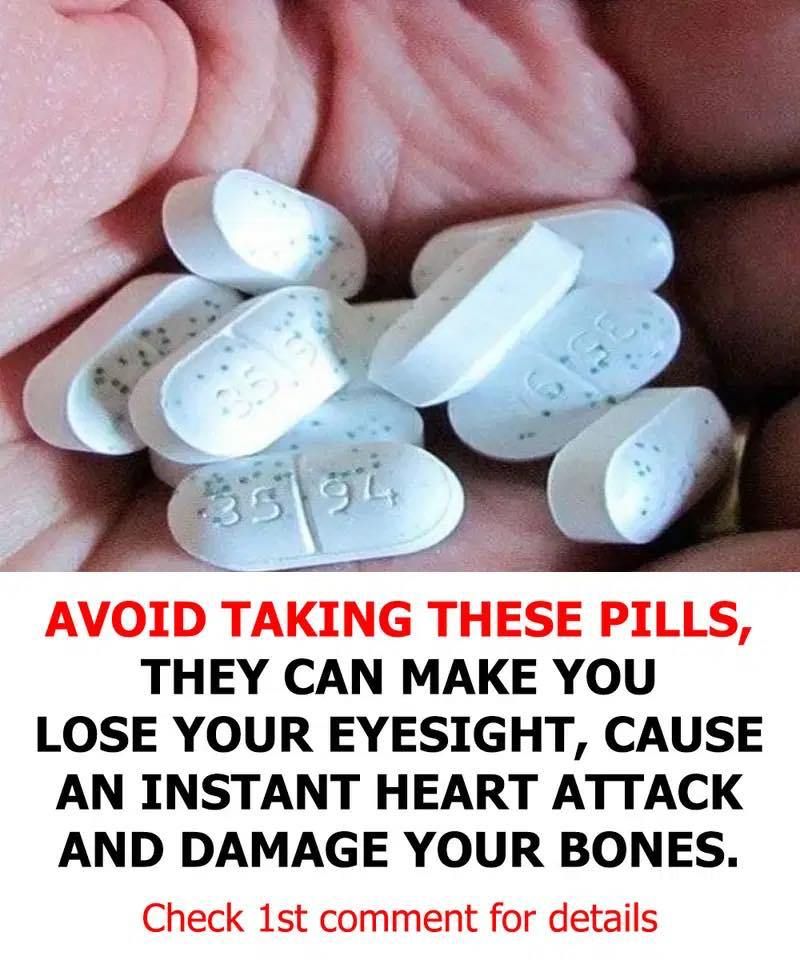
Here’s what’s actually going on with heart‑related medications and recalls, because headlines like “Heart Risk Medications Pulled From Shelves — Global Health Alert!” can be misleading without context:
🧪 Recent Recalls Involving Heart Medications
🟡 1. Cholesterol Medication Recall in the U.S.
• A large batch of atorvastatin calcium (a widely used generic statin for lowering cholesterol) was recalled in the U.S. because the tablets didn’t dissolve properly, which could reduce effectiveness. It affected over 140,000 bottles. It was classified as a Class II recall, meaning health risks are considered temporary or medically reversible, but people taking it are advised to check with their pharmacist or doctor. (AARP)
🟡 2. Blood Pressure Pills Pulled Over Contamination
• Several lots of bisoprolol fumarate and hydrochlorothiazide (often prescribed for high blood pressure) were recalled after traces of another drug were found, prompting removal from shelves in the U.S. while officials ensure safety. (Medical Xpress)
🟡 3. Fine Print and Quality Issues
• Health agencies (like the U.S. FDA) maintain lists of ongoing drug recalls and safety alerts, including heart drugs, because manufacturing defects, contamination, or poor quality can occasionally put patient safety at risk. (U.S. Food and Drug Administration)
🔎 Important Clarification
Even though heart‑related medicines can be recalled:
- This is usually due to manufacturing or quality problems, not because the drugs themselves are inherently unsafe when used properly.
- Major heart medications like statins and blood pressure drugs are still widely prescribed and remain effective for most patients when taken as directed by a healthcare provider.
- A recall doesn’t mean all products of a medication are harmful — it often affects specific batches or lots. (FCP Live-In)
📌 What You Should Do if You Take These Medications
✅ Check your prescription bottle for:
- Lot numbers
- Expiration dates
And compare with official recall notices from your pharmacy or the drug regulator. (U.S. Food and Drug Administration)
✅ Don’t stop your medication suddenly without talking to a healthcare professional — abrupt cessation can be harmful, especially for heart and blood pressure treatments.
🧠 Bottom Line
✔️ Some heart‑related medicines have been recalled recently due to quality issues, not because they are universally unsafe.
✔️ Agencies issue safety alerts to protect patients — recalls are part of normal pharmacovigilance.
✔️ Always check with a doctor or pharmacist if you’re taking a medication that’s been recalled.
If you want, I can list the specific affected medicines and lot numbers from the most recent recalls so you can check whether your prescription is impacted.
