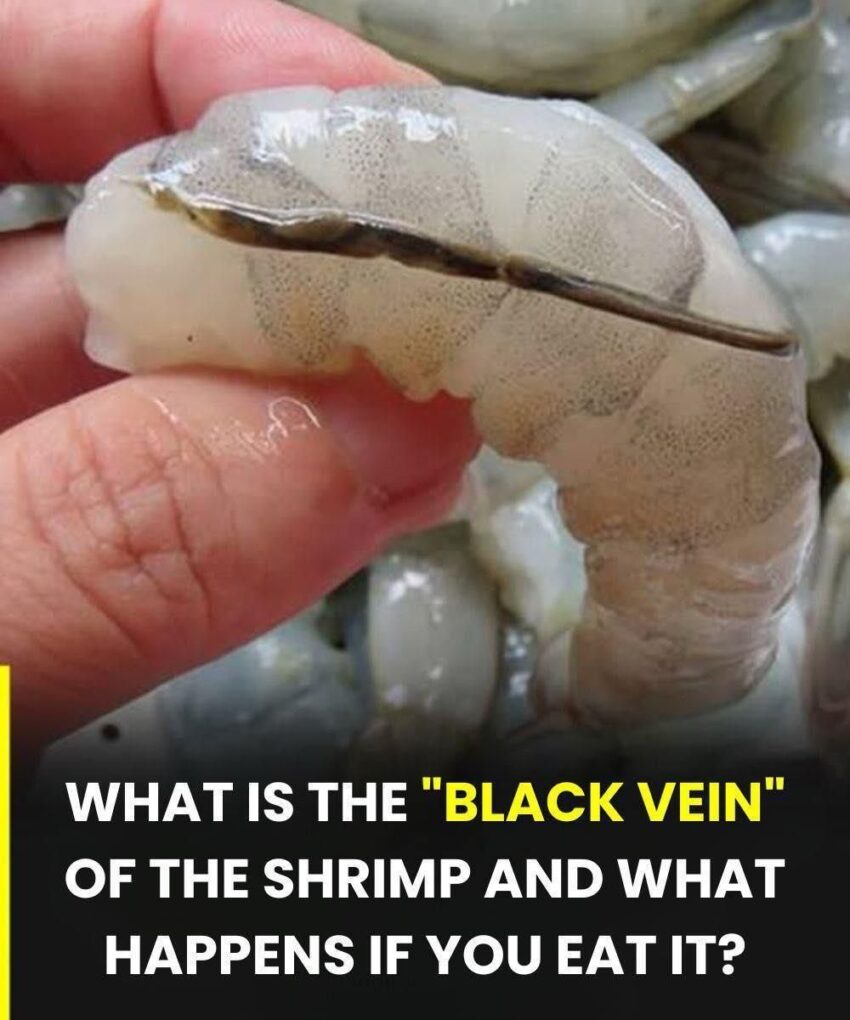
Ah! That “vein” you see in shrimp isn’t actually a vein in the circulatory sense — it’s the digestive tract, specifically the shrimp’s intestine. 🦐
Here’s the breakdown:
🦐 What the “Shrimp Vein” Really Is
- Anatomical Identity
- The dark line running along the back of a shrimp is the gut or digestive tract.
- In live shrimp, it carries waste from the shrimp’s stomach to its tail.
- Why It Looks Like a Vein
- It’s dark-colored because it contains partially digested food and waste.
- When the shrimp is cooked, it becomes more visible, resembling a thin black or brown “vein.”
- Is It Safe to Eat?
- Yes, it is safe to eat, though some people remove it because:
- It can be gritty if the shrimp was eating sand or sediment.
- Removing it improves appearance and texture.
- Yes, it is safe to eat, though some people remove it because:
- How to “Devein” Shrimp
- Use a small knife or shrimp deveiner to cut along the back.
- Lift out the dark digestive tract.
- Rinse lightly under water before cooking.
- Nutrition Note
- The vein contains minimal calories or nutrients. Its removal is purely for aesthetic and texture purposes.
💡 Quick Tip:
For small shrimp, many chefs skip deveining because it’s tiny and almost unnoticeable. For large shrimp (like tiger or jumbo), deveining improves the eating experience.
If you want, I can show a step-by-step guide with pictures for deveining shrimp quickly — it’s easier than most people think. Do you want me to do that?
