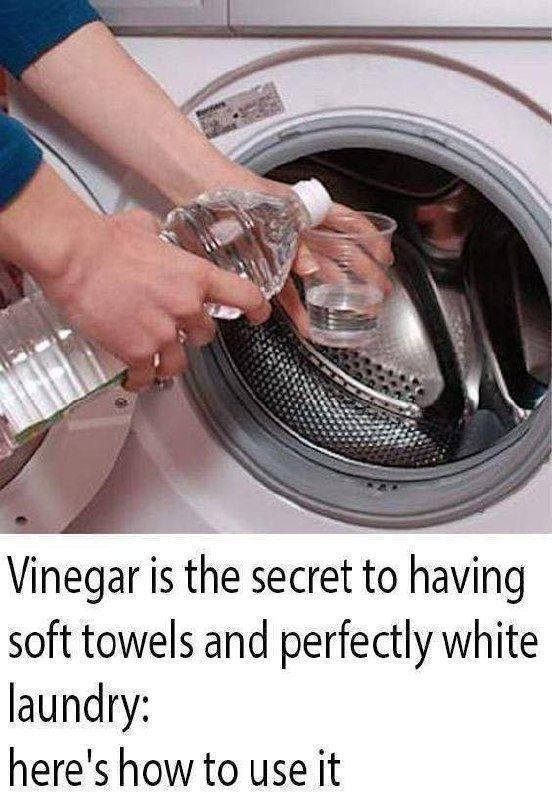
Yes—vinegar can help clean a washing machine, especially for removing light soap buildup, odors, and mineral deposits. But it should be used correctly and not overused.
Here’s a safe, practical way to do it:
🧼🌀 How to Clean a Washing Machine with Vinegar
🧾 What you need
- 1–2 cups white vinegar
White vinegar - Optional: baking soda (½ cup)
- Microfiber cloth or sponge
👩🔧 Method (Front-load or Top-load)
1. Empty the machine
- Make sure there are no clothes inside
2. Add vinegar
- Pour 1–2 cups of white vinegar directly into the drum
- For heavy buildup, you can also add it to the detergent drawer
3. Run a hot cycle
- Select the hottest, longest wash cycle
- Let the machine run completely
4. Optional deep clean (extra freshening)
After vinegar cycle:
- Add ½ cup baking soda to the drum
- Run another short hot cycle
5. Wipe down parts
- Clean rubber seals (front-loaders especially)
- Wipe door, detergent drawer, and drum edges
⚠️ Important warnings
- ❌ Do NOT mix vinegar with bleach (dangerous fumes)
- ❌ Don’t use vinegar every wash—can damage rubber parts over time
- ✔️ Use only occasionally (about once a month is enough)
🧠 What vinegar actually does
- Breaks down limescale
- Helps remove odors
- Loosens soap residue
It does not sterilize completely or replace deep mechanical cleaning if the machine is heavily dirty.
🌟 Bottom line
Vinegar is a cheap, useful maintenance cleaner, not a full disinfectant or repair solution.
If you want, I can also show you a step-by-step deep cleaning routine for front-load washers (including mold removal in rubber seals).
