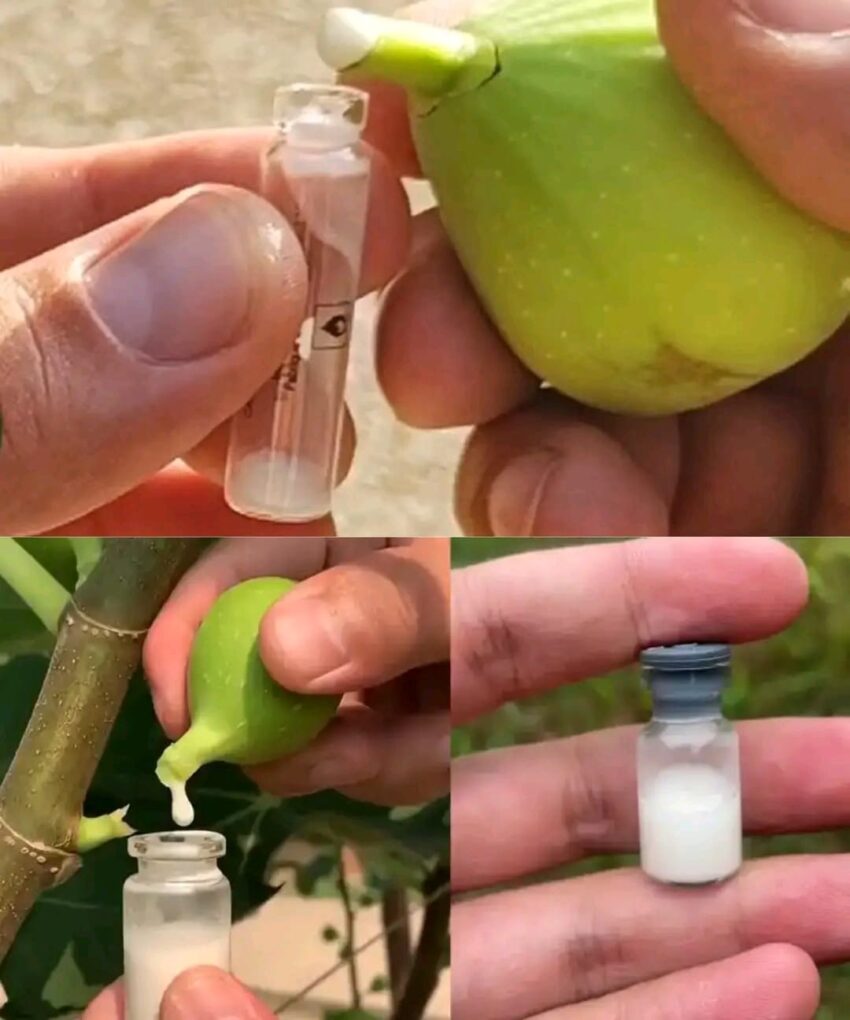
Fig sap (also called fig latex) is a powerful natural substance, but it needs to be handled with care. Here’s a clear, practical guide to how to collect it safely, how it’s traditionally used, and how to store it.
🌿 What Is Fig Sap?
Fig sap is the milky white latex that oozes from fig leaves, stems, or unripe fruit when they’re cut.
It contains enzymes (ficin) and natural compounds that are caustic and irritating to skin.
⚠️ Important warning: Fig sap can cause skin burns, blisters, and eye injury, especially in sunlight.
🧤 How to Collect Fig Sap Safely
You’ll need:
- Gloves (essential)
- Small glass jar with lid
- Clean knife or blade
- Paper towel or cotton swab
Steps:
- Choose early morning or evening (sun increases skin reaction).
- Put on gloves.
- Make a small cut on a fig leaf stem or unripe fig.
- Let the milky sap ooze out naturally.
- Collect only a few drops using a cotton swab or directly into a glass jar.
- Seal immediately.
👉 Never collect large amounts. A little goes a long way.
🌱 Traditional Uses (With Caution)
1. Skin Tags & Warts (Folk Use)
- A tiny drop applied only on the wart or skin tag
- Applied once daily for several days
- Avoid surrounding skin completely
⚠️ Not medically approved. Can cause burns.
2. Natural Meat Tenderizer
- Traditionally used in tiny amounts to soften meat
- Works similarly to papaya or pineapple enzymes
- Overuse will turn meat mushy
3. Plant Use
- Sometimes used as a natural pest deterrent
- Dabbed on cut stems to discourage insects
🚫 What NOT to Use Fig Sap For
- Do NOT ingest
- Do NOT apply to open wounds
- Do NOT use on face, lips, or sensitive areas
- Do NOT use on children or pets
- Do NOT expose treated skin to sunlight
🫙 Storage of Fig Sap
Short-term:
- Store in a sealed glass container
- Keep refrigerated
- Use within 24–48 hours
Longer-term (not ideal):
- Sap degrades quickly
- Freezing is possible but reduces effectiveness
- Best used fresh
💡 Tip: It’s better to collect fresh sap each time than store it long-term.
🧼 Aftercare & Safety
- Wash skin immediately if sap touches it
- Avoid sun exposure for 24 hours after handling
- If irritation occurs: wash with soap + water, apply aloe vera
- If severe burning or blistering → seek medical help
🌟 Bottom line
Fig sap is potent, traditional, and risky. Used sparingly and carefully, it has folk applications—but misuse can cause injury. Respect it like a natural chemical, not a harmless plant juice.
If you want, I can also explain:
- how fig sap differs from fig leaf tea
- safe alternatives for skin tags
- myths vs facts about fig sap
Just tell me 🌿
