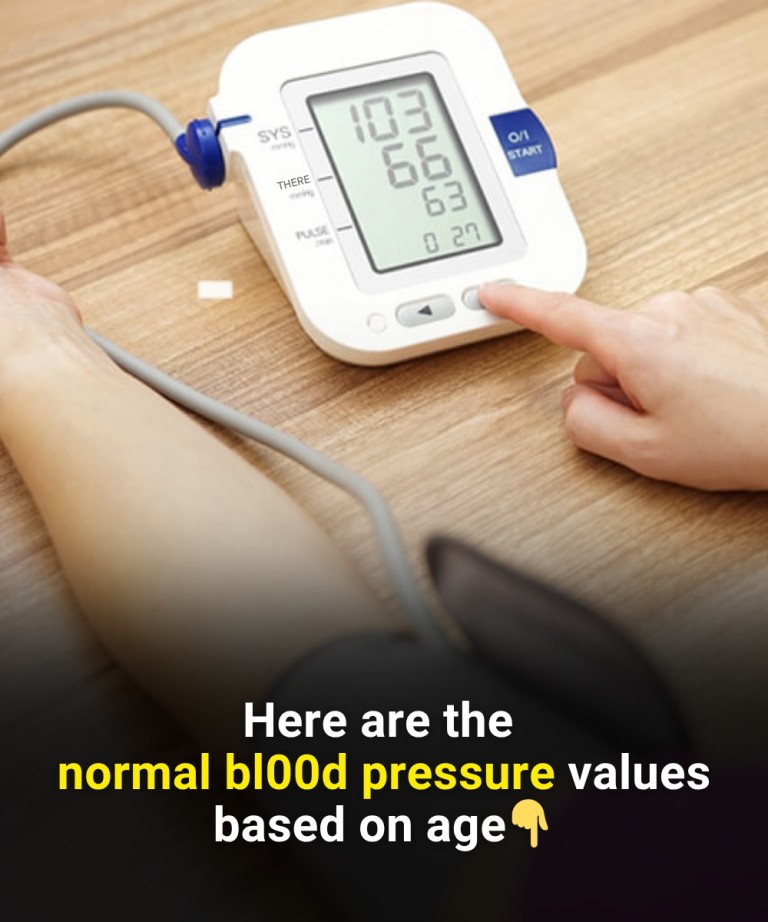
Absolutely! Here’s a comprehensive guide to normal blood pressure values by age, including children, adolescents, and adults. I’ll break it down step by step and provide ranges based on current guidelines (mainly from the American Heart Association and other international references).
1. Understanding Blood Pressure
Blood pressure (BP) is measured in millimeters of mercury (mmHg) and recorded as:
- Systolic (SBP): Pressure when the heart contracts
- Diastolic (DBP): Pressure when the heart relaxes
Categories for adults:
| Category | Systolic (mmHg) | Diastolic (mmHg) |
|---|---|---|
| Normal | <120 | <80 |
| Elevated | 120–129 | <80 |
| Hypertension Stage 1 | 130–139 | 80–89 |
| Hypertension Stage 2 | ≥140 | ≥90 |
| Hypertensive Crisis | >180 | >120 |
2. Normal Blood Pressure by Age
A. Infants & Children
Blood pressure in children varies with age, sex, and height percentile. Here are approximate averages:
| Age | Systolic (mmHg) | Diastolic (mmHg) |
|---|---|---|
| Newborn (0–1 mo) | 60–90 | 20–60 |
| Infant (1–12 mo) | 87–105 | 53–66 |
| Toddler (1–2 yrs) | 95–105 | 53–66 |
| Preschool (3–5 yrs) | 95–110 | 56–70 |
| School-age (6–12 yrs) | 97–120 | 57–80 |
| Adolescent (13–18 yrs) | 110–135 | 65–85 |
Note: For children, BP is often assessed using percentiles. Normal is typically <90th percentile for age, sex, and height.
B. Adults
Blood pressure in adults is considered “normal” when <120/80 mmHg. Here’s a more detailed adult breakdown:
| Age Group | Systolic (mmHg) | Diastolic (mmHg) | Notes |
|---|---|---|---|
| 18–29 yrs | 105–120 | 60–79 | Young adults often have lower BP |
| 30–39 yrs | 110–125 | 65–80 | Slight gradual increase |
| 40–49 yrs | 115–130 | 70–85 | Age-related rise in systolic pressure |
| 50–59 yrs | 120–135 | 75–85 | Monitoring more important |
| 60–69 yrs | 120–140 | 75–90 | Higher systolic common |
| 70+ yrs | 120–145 | 70–90 | Pulse pressure may widen |
C. Special Considerations
- Pregnancy: BP should be closely monitored; normal is similar to adults but <140/90 mmHg. Pre-eclampsia risk if higher.
- Elderly: Slightly higher systolic pressure may be acceptable; isolated systolic hypertension is common.
- Athletes: Lower BP (e.g., 90–110/60–70 mmHg) is often normal due to increased cardiac efficiency.
3. Key Takeaways
- BP naturally rises with age, mainly systolic.
- Children’s BP is percentile-based, adults have fixed thresholds.
- Lifestyle factors (weight, activity, stress, diet) strongly influence BP.
- Consistent monitoring is crucial; one-off readings may be misleading.
If you want, I can make a full visual chart showing normal BP ranges from newborns to the elderly, which is very handy for quick reference.
Do you want me to create that chart?
