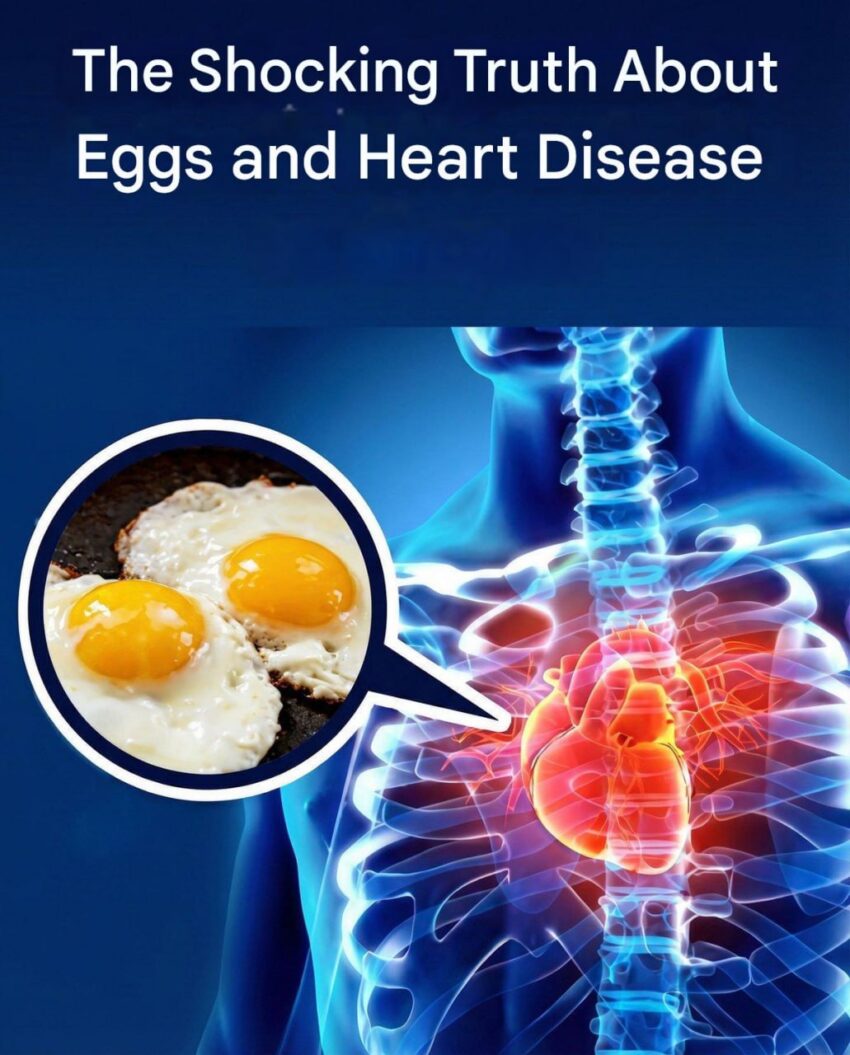
The “shocking truth about eggs and heart disease” is often exaggerated online. Here’s what the real science says, without hype.
🥚 Do eggs cause heart disease?
Egg
👉 Short answer: For most healthy people, no.
Modern research shows that eating eggs in moderation does not significantly increase the risk of heart disease for most individuals.
❤️ What people worry about
Eggs contain cholesterol, and one egg has about 180–200 mg.
For years, it was believed that:
- More dietary cholesterol = higher blood cholesterol
- Higher cholesterol = more heart disease
But newer studies show this is too simple.
🧠 What research actually finds
✔️ 1. Blood cholesterol is more influenced by:
- Saturated fats (fried foods, processed meats)
- Genetics
- Overall diet quality
✔️ 2. Eggs have neutral or small effect in most people
- Most people are “low responders” to dietary cholesterol
- HDL (“good cholesterol”) often increases
⚠️ 3. Small group may need caution
People with:
- Diabetes
- Existing heart disease
- Genetic cholesterol disorders
may need to limit egg intake depending on doctor advice.
🥗 What matters more than eggs
Heart disease risk is mainly linked to:
- High trans fats
- Excess sugar and refined carbs
- Lack of exercise
- Smoking
- High blood pressure
🥚 So are eggs healthy?
Yes—eggs are nutrient-dense:
- High-quality protein
- Vitamins (B12, D, A)
- Choline (brain health)
🧠 Bottom line
The idea that eggs are “dangerous for the heart” is outdated for most people. In a balanced diet, Egg can be part of a healthy eating pattern and are not strongly linked to heart disease in modern research.
If you want, I can break down:
🥚 “How many eggs per day are safe?”
❤️ “Eggs vs meat for heart health”
🍳 “Best healthy ways to cook eggs”
